


Doctors may refer to TGCT as “PVNS (pigmented villonodular synovitis)” or “GCT-TS (giant cell tumor of the tendon sheath).”1,3
Talking about TGCT

THE CAUSE OF JOINT WRECKAGE1,4
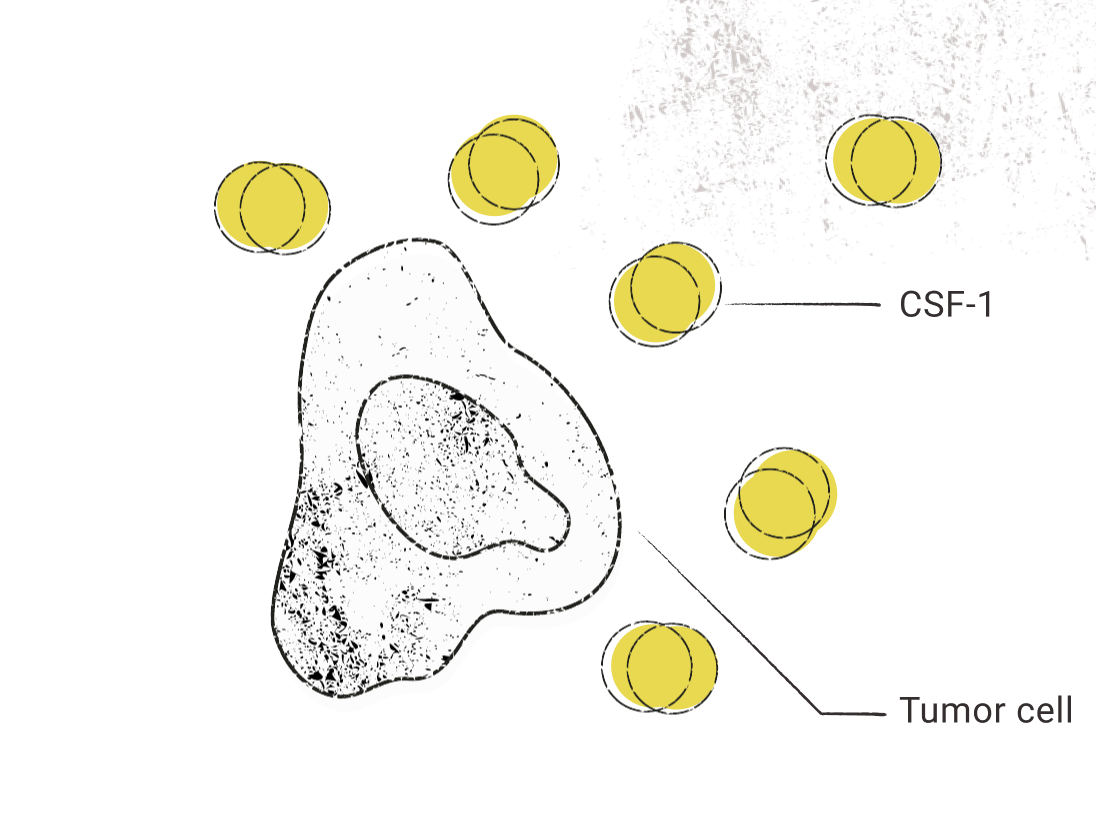
- 1In TGCT, tumor cells produce too much of a protein called colony stimulating factor-1 or CSF-1
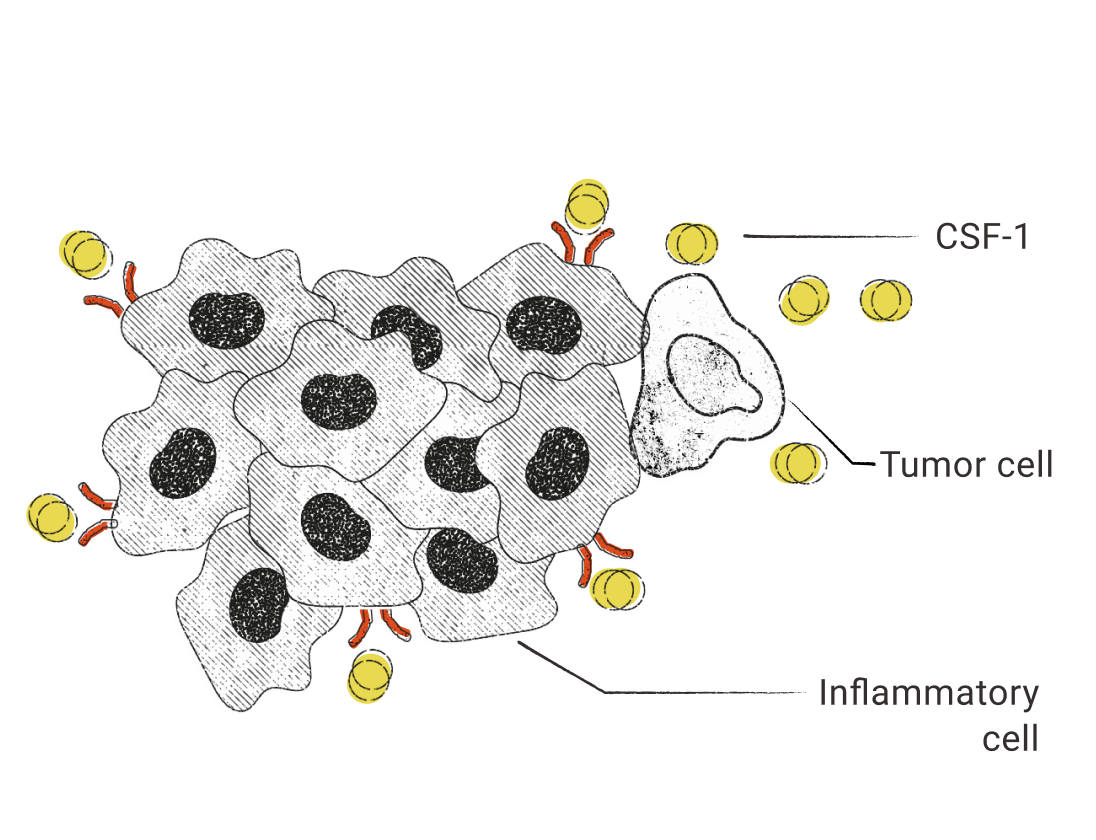
- 2Too much CSF-1 can cause inflammatory cells to build up in or around a joint
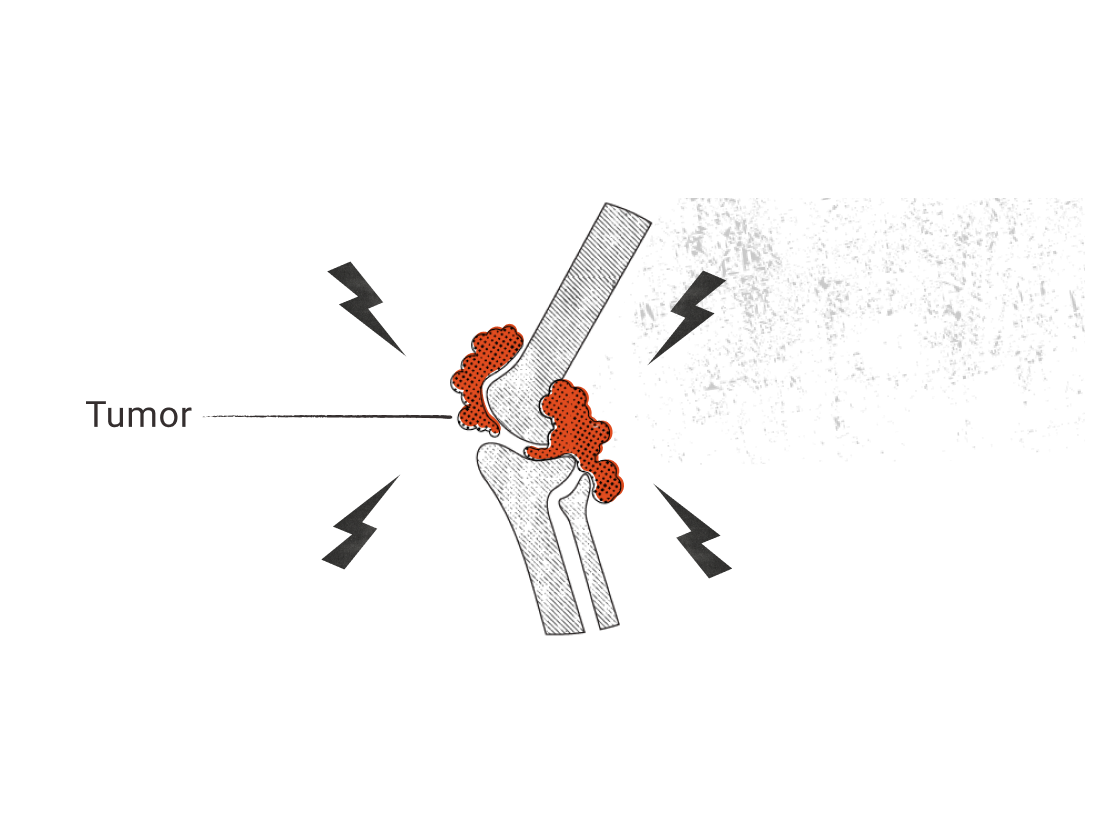
- 3This can lead to destructive tumor growth, which can cause symptoms like pain, stiffness, and swelling
- <p>1</p>
- <p>2</p>
- <p>3</p>
2 TYPES OF TGCT
Localized TGCT, also known as nodular TGCT5,6

80% to 90% of cases
- Less aggressive
- Typically smaller
- Usually does not spread outside the joint
- Tends to affect smaller, delicate joints like finger, wrist, or foot joints
Diffuse TGCT5,7
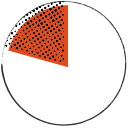
10% to 20% of cases
- More aggressive
- Typically larger, can be multiple tumors
- Can spread outside the joint
- Tends to affect larger joints like hip, ankle, or knee joints
Both localized and diffuse TGCT2
- Can be difficult to remove surgically
- Have a chance of the tumor coming back after TGCT surgery*
*
The chances of the tumor coming back after TGCT surgery are 72% for diffuse TGCT and 34% for localized TGCT, based on a study of nearly 400 people who had surgery.2
REFERENCES
1. Stacchiotti S, Dürr HR, Schaefer IM, et al. Best clinical management of tenosynovial giant cell tumour (TGCT): a consensus paper from the community of experts. Cancer Treat Rev. 2023;112:102491. doi:10.1016/j.ctrv.2022.102491. 2. Stern S, McKenzie PF, Bernthal N, et al. Localized and diffuse tenosynovial giant cell tumor: real-world results from a patient observational registry. Future Oncol. 2025;21(12):1501-1510. doi:10.1080/14796694.2025.2488635. 3. Healey JH, Bernthal NM, van de Sande M. Management of tenosynovial giant cell tumor: a neoplastic and inflammatory disease. J Am Acad Orth Surg. 2020;4(11):e20.00028. doi:10.5435/JAAOSGlobal-D-20-00028. 4. Hume DA, MacDonald KPA. Therapeutic applications of macrophage colony-stimulating factor-1 (CSF-1) and antagonists of CSF-1 receptor (CSF-1R) signaling. Blood. 2012;119(8):1810-1820. doi:10.1182/blood-2011-09-379214. 5. Gelderblom H, Wagner AJ, Tap WD, et al. Long-term outcomes of pexidartinib in tenosynovial giant cell tumors. Cancer. 2021;127(6):884-893. doi:10.1002/cncr.33312. 6. de Saint Aubain Somerhausen N, van de Rijn M. Tenosynovial giant cell tumor. In: WHO Classification of Tumours of Soft Tissue and Bone. 2020;3:133-136. 7. Righi A, Gambarotti M, Sbaraglia M, et al. Metastasizing tenosynovial giant cell tumour, diffuse type/pigmented villonodular synovitis. Clin Sarcoma Res. 2015;5:15. doi:10.1186/s13569-015-0030-2



© 2026 Merck KGaA, Darmstadt, Germany or its affiliates. All rights reserved.
SpringWorks Therapeutics, Inc. and EMD Serono, Inc. are Healthcare companies of Merck KGaA, Darmstadt, Germany.
This website is intended only for residents of the United States. Use and access of this site are subject to the terms and conditions set out in our Terms & Conditions and Privacy Policy.
US-NONOTGCT-00008 05/26